

Water Softener Guides: Install, Maintain and Fix
Water Softener Guide has step-by-step guides for owners of salt-based water softeners. Each one covers a single job, from installing and adding salt to fixing hard water, with steps drawn from the valve makers' manuals.
watersoftenerguide.net is owned by the team behind SoftPro Water Systems and Quality Water Treatment, which sell some of the parts and systems we link to. Ownership disclosure
Quick checks
- 1 gpg= 17.1 mg/L hardness
- BypassFirst stop for any leak or repair
- Salt bridgeA common cause of hard water
- Hardness testThe clearest check it's working
- Drain lineNeeds an air gap at the drain
- Manual firstYour model's manual wins
Most softener jobs are simple once you know the order: put the unit in bypass, unplug the valve before opening anything, and follow your manual's numbers. Our guides cite the manual or store guide behind every step, such as Pentair's 5600SXT manual or SoftPro's install guide, so you can check the source against your own unit. Where the sources disagree, we give the range and tell you which document to follow.
New to softeners? Start with the maintenance checklist for routine care, or the troubleshooting guide if something has gone wrong. To browse everything by task, see all guides.
Maintenance calendar
A salt-based softener needs little attention, but the small jobs keep it working, and the control valve's seals and pistons are replaceable. The intervals below come from the store guides and manuals; where they differ, follow your own manual.
| When | Job | Guide |
|---|---|---|
| Monthly | Check the salt; it should sit over the water, about a quarter to half full, unless your manual says otherwise | How much salt to use |
| Monthly | Look for a hard crust of salt that never drops | Fixing a salt bridge |
| Every few months | Clean the resin if your water has iron (Quality Water Treatment says quarterly; SoftPro every 3 to 12 months) | Resin cleaner |
| Every 6 to 12 months | Bleach-sanitize the softener (Quality Water Treatment's interval) | How to sanitize |
| Yearly | Inspect the brine tank; clean it when sludge or dirt builds up | Cleaning the brine tank |
| Yearly | Inspect the injector and brine line, as Quality Water Treatment recommends | Injector cleaning |
| Every few years | Full brine tank clean-out (about every 3 years in Pentair's manual) | Cleaning the brine tank |
| When capacity drops for good | Replace worn resin once cleaning no longer helps | Replacing resin |
Every job on the calendar starts the same way. Put the softener in bypass so the house keeps water, unplug the valve before you open it, and keep the manual for your valve nearby. If the work means cutting into the main line, changing the drain or adding an air gap, follow local plumbing code and call a licensed plumber if you are unsure. The bypass valve guide shows how each type of handle works.
Two seasonal jobs sit outside the calendar. If the softener's location will drop below 32°F, SoftPro says to winterize it, as covered in how to drain a water softener. Before a long trip, check the vacation guide to decide between leaving it running and using bypass.
Most-read guides
These guides cover the main jobs in owning a softener, from first installation to fixing problems later on. Each one puts the safety steps first and links to the related jobs.
Start with these
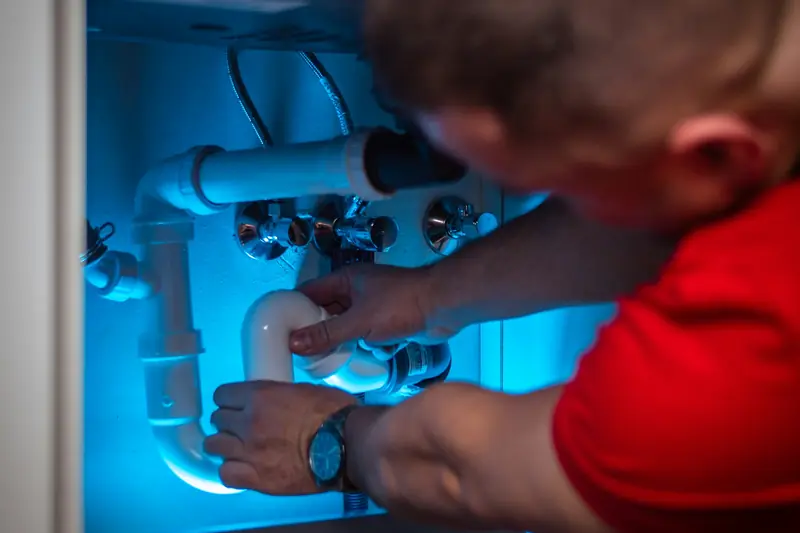 InstallWater softener installation, step by step
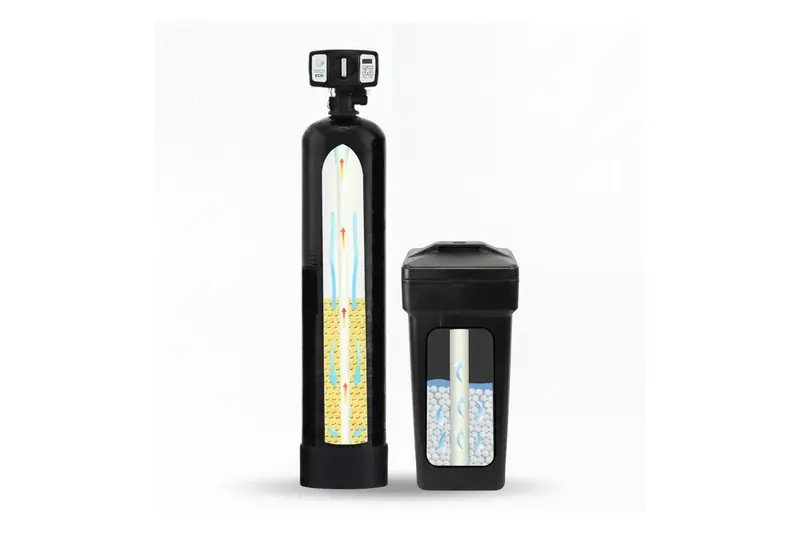 MaintainWater softener maintenance checklist
 MaintainHow much salt a water softener needs
 FixWater softener troubleshooting
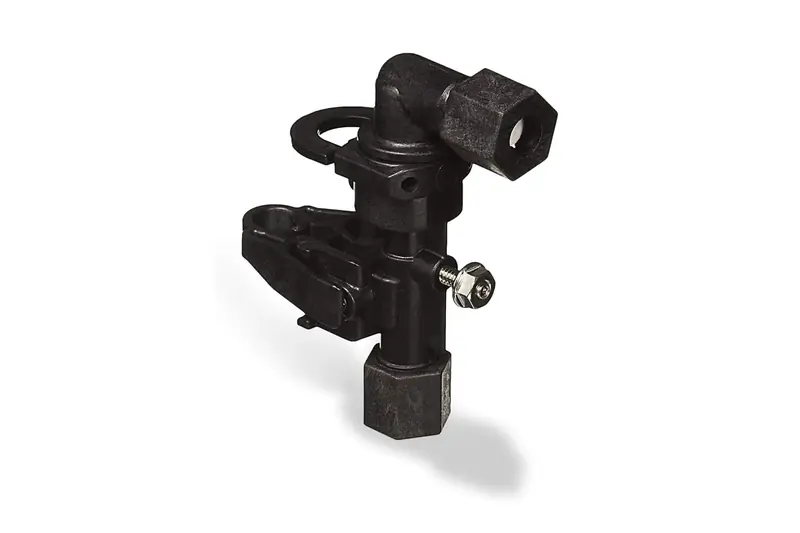 FixBrine tank full of water
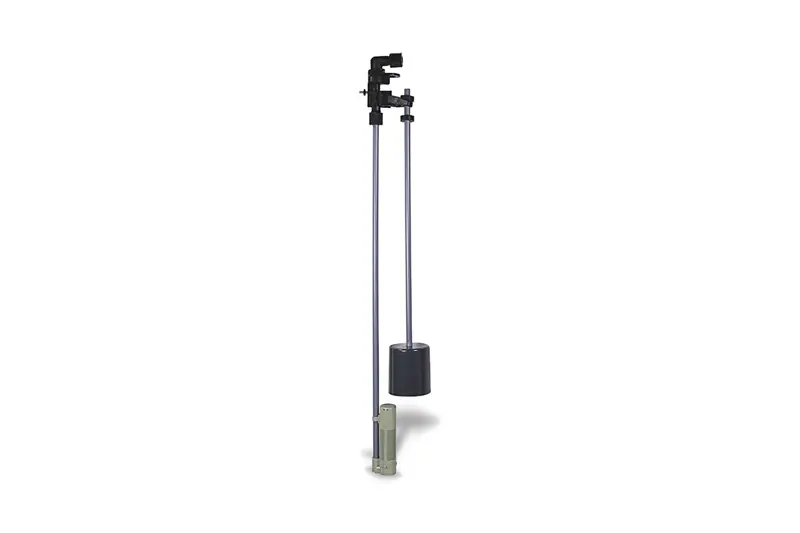 FixWater softener not using salt
 TestHow to test water hardness
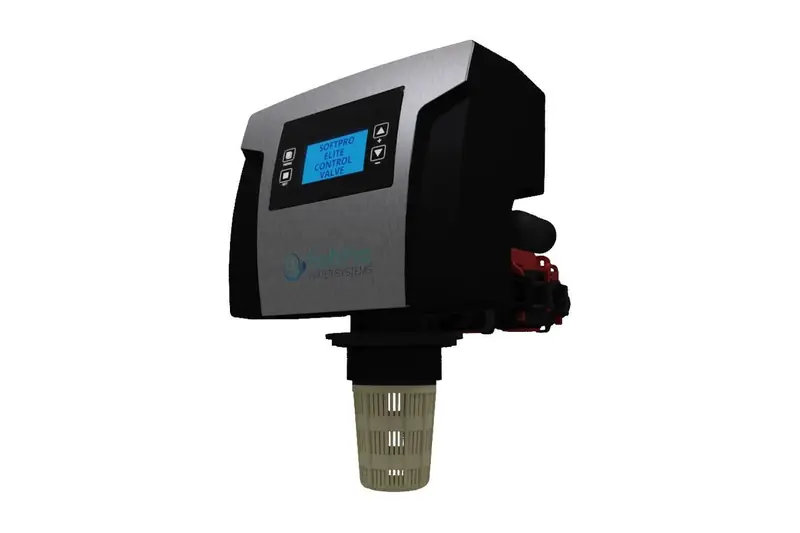 SettingsWater softener settings explained
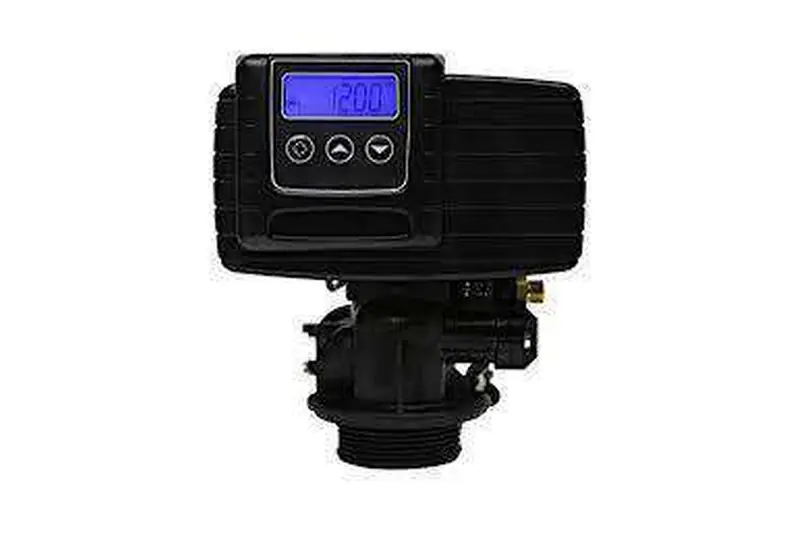 SettingsFleck 5600SXT programming guide
 FixHow to reset a water softener
If you are not sure whether the softener is doing its job, the quickest check is a side-by-side hardness test of raw and softened water. Our guide on whether your water softener is working explains how to read the results. On city water, the annual water quality report (Consumer Confidence Report) lists your hardness before you buy anything, and choosing a water hardness test kit covers strips and drop kits for well owners.
Water softener questions
What does a water softener actually remove?
A salt-based softener removes calcium and magnesium, the minerals that make water hard. Resin beads swap them for sodium or potassium, and regeneration rinses the hardness to drain with brine. Softeners can also take out small amounts of dissolved iron, but red water, iron bacteria and sulfur need a separate filter.
How hard does water have to be before a softener helps?
Hardness is measured in grains per gallon (gpg), where 1 gpg equals 17.1 mg/L. Water is called hard at 7 to 10.5 gpg and very hard above 10.5 gpg. Virginia Tech notes that hardness under 7 gpg generally does not need treatment.
Can a family drink softened water?
Nebraska Extension, citing the WQA, says softening adds about 8 mg/L of sodium for each gpg of hardness removed, so 10 gpg comes to about 80 mg/L. People on sodium-restricted diets can use potassium chloride, a hard-water cold tap or a reverse osmosis faucet, and should check with a doctor about infant formula.
Which salt goes in a water softener?
Use clean pellets or solar or evaporated crystals. Both the Fleck and Pentair manuals rule out rock salt, and Pentair notes it carries dirt and chemicals. Potassium chloride works too; NDSU Extension says it costs more (up to $25 a 40-lb bag, against about $5 to $10 for sodium chloride) and takes about 10% more per regeneration.
Is a salt-free conditioner the same as a softener?
No. Salt-free conditioners do not remove hardness minerals, so the water still tests hard. They change the minerals into micro-crystals that are less likely to form scale, and they need no salt, drain or electricity.