
All Water Softener Guides
These water softener guides cover 37 jobs in five groups (install, maintain, fix, settings and testing), each built on maker manuals such as Pentair's 5600SXT and on extension services such as Penn State.
By the Water Softener Guide editors · Updated
Key takeaways
- Pentair's 5600SXT manual asks for at least 10 feet of pipe between the softener and the water heater, and says to empty and clean the brine tank every three years.
- The EPA WaterSense softener guide says to check salt every 4 to 6 weeks and never let it fall below one-quarter full.
- Penn State Extension works out 3,000 grains a day for 4 people on 10 gpg water, so a 20,000-grain unit regenerates about every 6 to 7 days.
- The Fleck 5600SXT service manual lists 7 causes of hard water, starting with an open bypass and an empty salt tank.
- The WQA asks for 4,000 grains of hardness removed per pound of salt and says to avoid time clocks.
Numbers the guides lean on
- 10 ftMinimum pipe run from softener to water heaterPentair 5600SXT manual
- 4-6 weeksHow often the EPA says to check the saltEPA WaterSense
- 6-7 daysRegeneration interval in Penn State's 4-person examplePenn State Extension
- 20-70 galWater a typical softener uses per regenerationEPA WaterSense
Where should you start with these water softener guides?
Start with the symptom: if something is wrong, the troubleshooting guide works through it in order, and for routine care the maintenance checklist lists each monthly and yearly job. Each guide follows the manual for the valve it covers, mostly the Fleck 5600SXT, plus extension and EPA publications; where the owned stores, SoftPro and Quality Water Treatment, publish a different figure, both are named and your manual wins.

How do you install a water softener?
Cut the softener into the main line ahead of the water heater with a bypass, an air-gapped drain and a 10-foot minimum pipe run to the heater, as Pentair's 5600SXT manual specifies. On a private well, SoftPro's Elite install guide puts the softener after the pressure tank. The Fleck 5600SXT service manual sets a 1/2-inch minimum drain line, moving to 3/4-inch for runs past 20 feet. The step-by-step installation guide puts these in order.
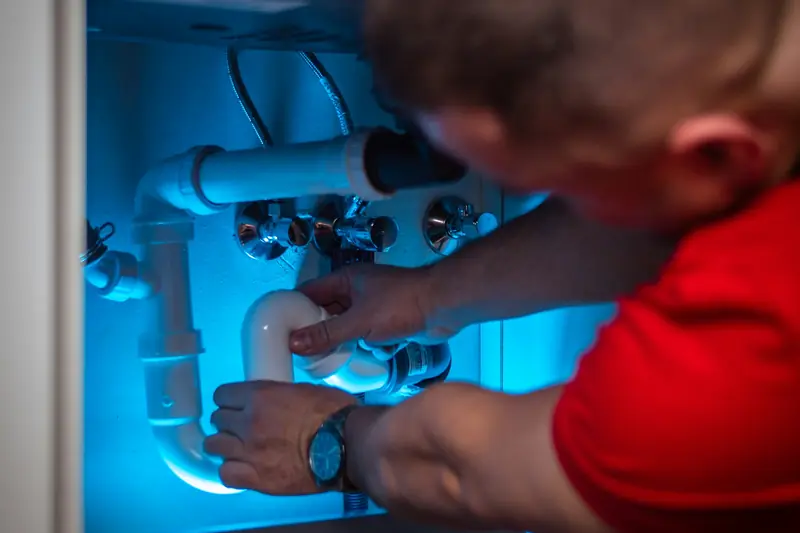 InstallWater Softener Installation, Step by Step
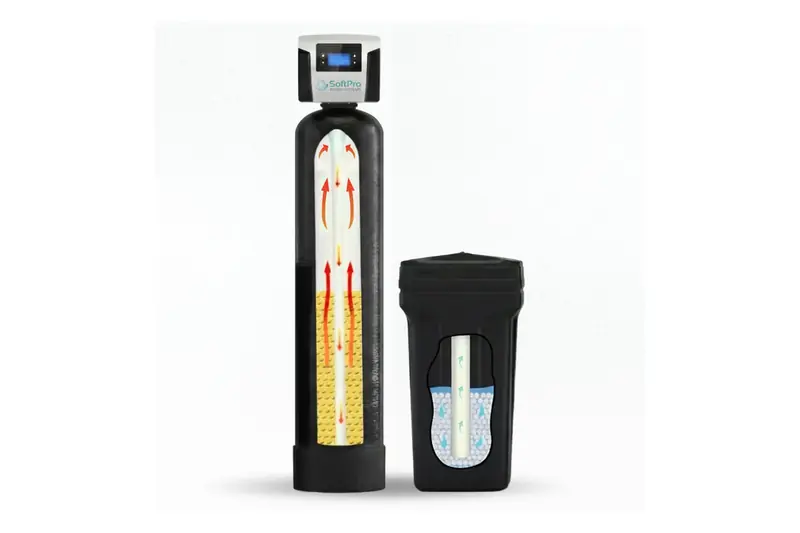 InstallWater Softener Installation Cost
 InstallWhere to Install a Water Softener
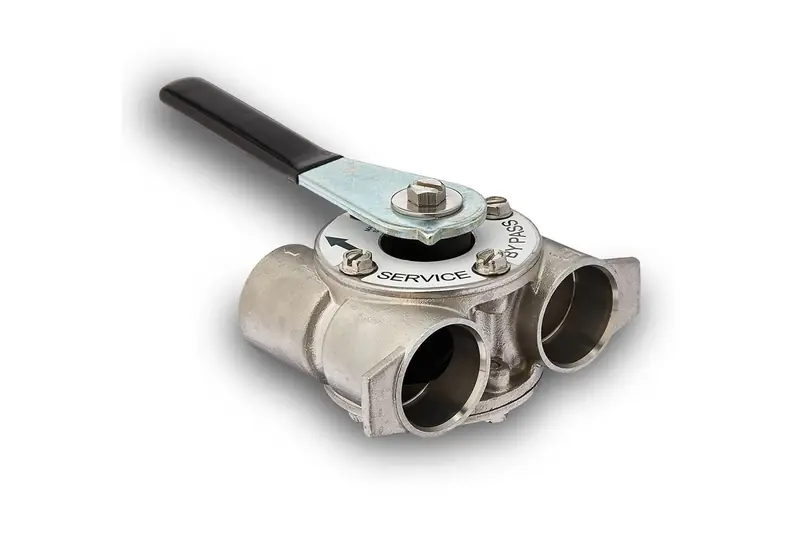 InstallWater Softener Bypass Valve Guide
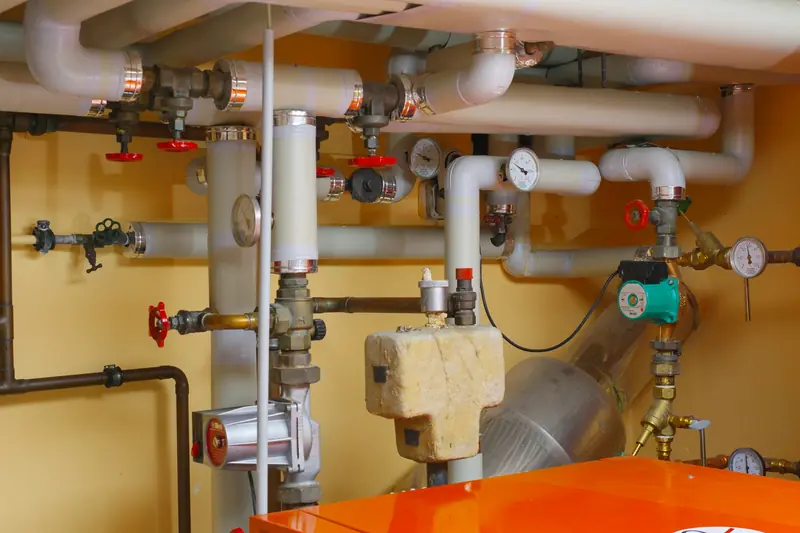 InstallSetting Up a Water Softener Drain Line
 InstallWater Softener Air Gap Requirements
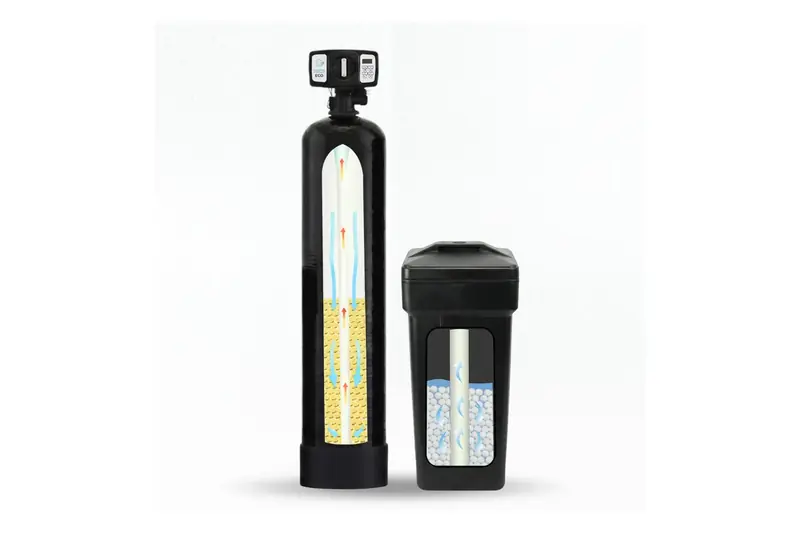 InstallWater Softener Loop Explained
 InstallWater Softeners on Septic Systems
How do you maintain a water softener?
Keep salt above the water line and look at it about once a month (the EPA WaterSense guide says every 4 to 6 weeks), then give the brine tank, resin and injector their periodic cleaning. Pentair says its salt tank works best below half full, because a fuller tank can bridge; the EPA's lower limit is one-quarter full. Buy pellets or solar crystals; Pentair says rock salt carries dirt and chemicals, and Fleck forbids it. See sanitizing and salt bridges.
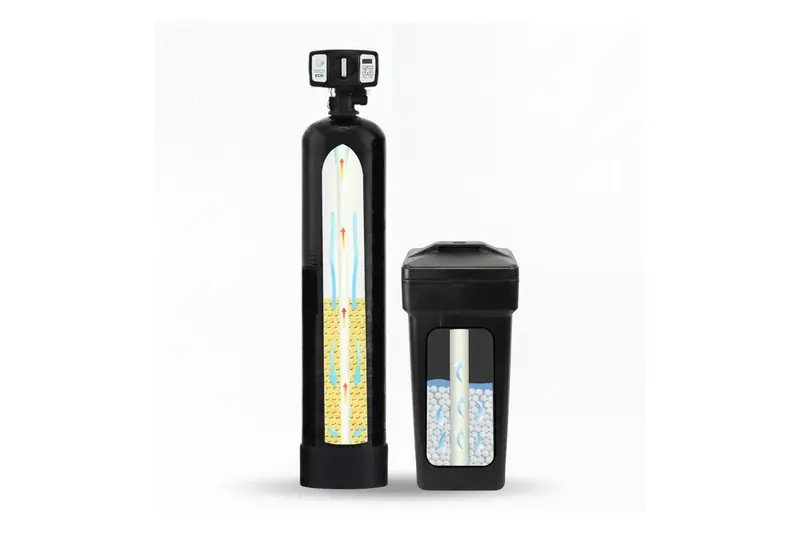 MaintainWater Softener Maintenance Checklist
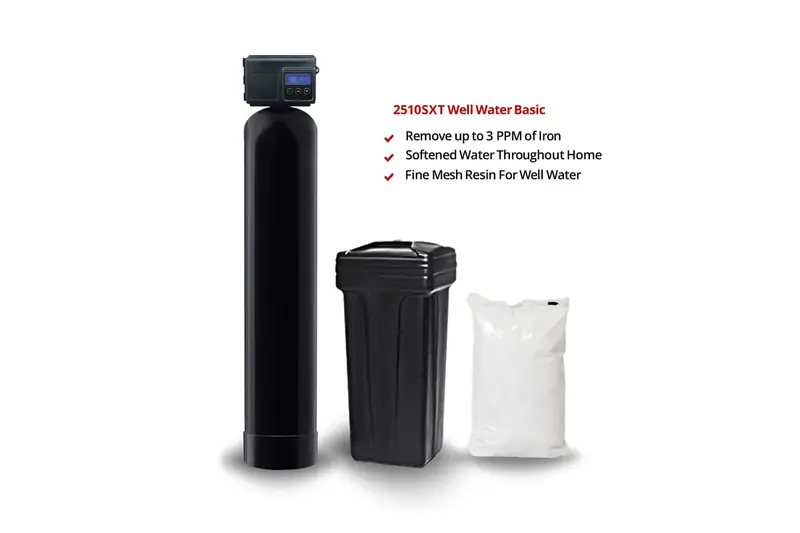 MaintainHow to Clean a Brine Tank
 MaintainHow to Sanitize a Water Softener
 MaintainHow to Fix a Salt Bridge
 MaintainHow Much Salt Does a Water Softener Need?
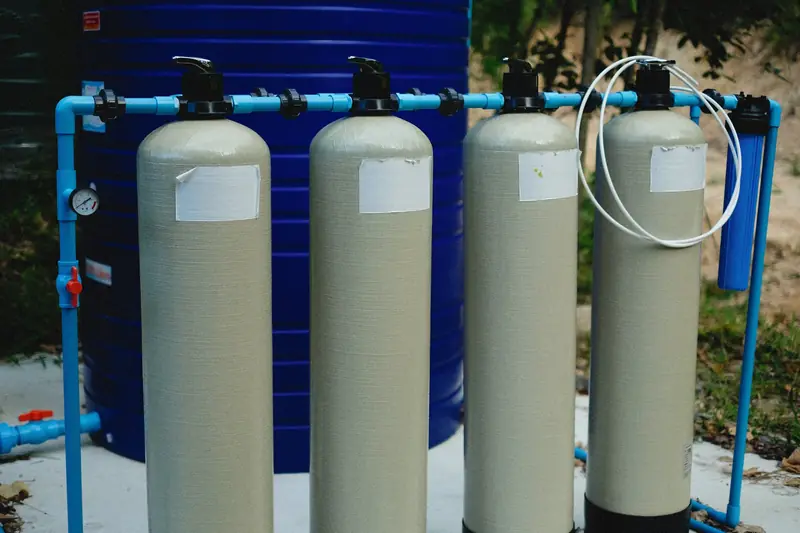 MaintainWater Softener Salt: Pellets vs Crystals
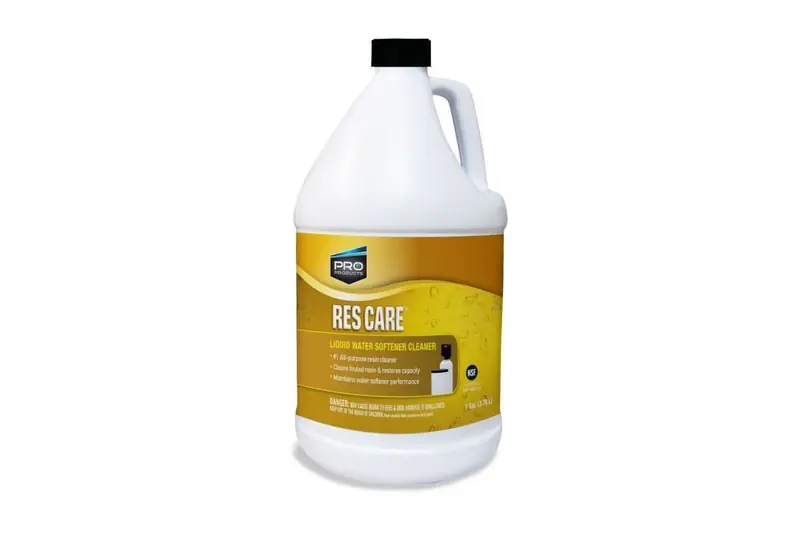 MaintainUsing a Water Softener Resin Cleaner
 MaintainHow to Replace Water Softener Resin
 MaintainCleaning a Water Softener Injector
 MaintainHow to Drain a Water Softener
 MaintainWater Softeners and Vacations
How often does each water softener maintenance job come due?
Intervals run from every few weeks for salt to every three years for a full brine tank clean; where a maker and a store disagree, both appear.
| Task | How often | Source |
|---|---|---|
| Check the salt level | Every 4 to 6 weeks; SoftPro says monthly | EPA WaterSense guide; SoftPro code checklist |
| Sanitize with bleach | Every 3 to 12 months (SoftPro); 6 to 12 months (QWT) | SoftPro and Quality Water Treatment cleaning pages |
| Bleach dose | 1.2 fl oz per cu ft of resin; stores use about 2 fl oz | Pentair 5600SXT manual |
| Clean the resin beads | Once a year | EPA WaterSense guide |
| Clean the injector and brine line | Once a year | Quality Water Treatment troubleshooting page |
| Empty and clean the brine tank | Every 3 years; inspect it yearly | Pentair 5600SXT manual |
| Test private well water | Once a year | Virginia Cooperative Extension |
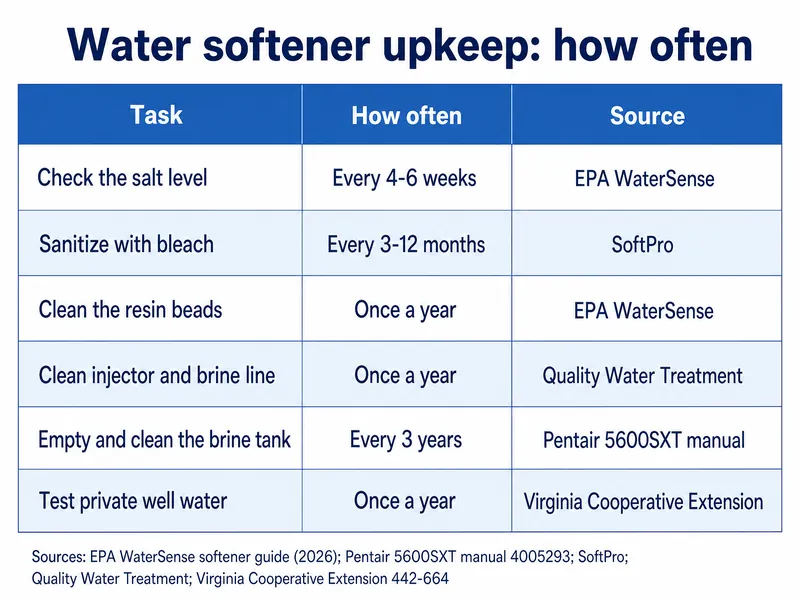
SoftPro's code checklist lists the brine tank every 6 to 12 months against Pentair's three years, so look inside every year and clean it once sludge collects. Quality Water Treatment's troubleshooting page (Quality Water Treatment, our store) is the source for the yearly injector and brine line check, and Virginia Cooperative Extension recommends testing well water every year.
How do you fix a water softener problem?
Start with the simple causes: the Fleck 5600SXT service manual lists 7 reasons for hard water, and the first two are a bypass left open and no salt in the brine tank. For too much salt it gives just two: the salt setting and excess water in the brine tank. Put the softener in bypass and unplug the valve before you open anything. For a salt bridge, Pentair says to break it up, wait 2 hours, then regenerate.
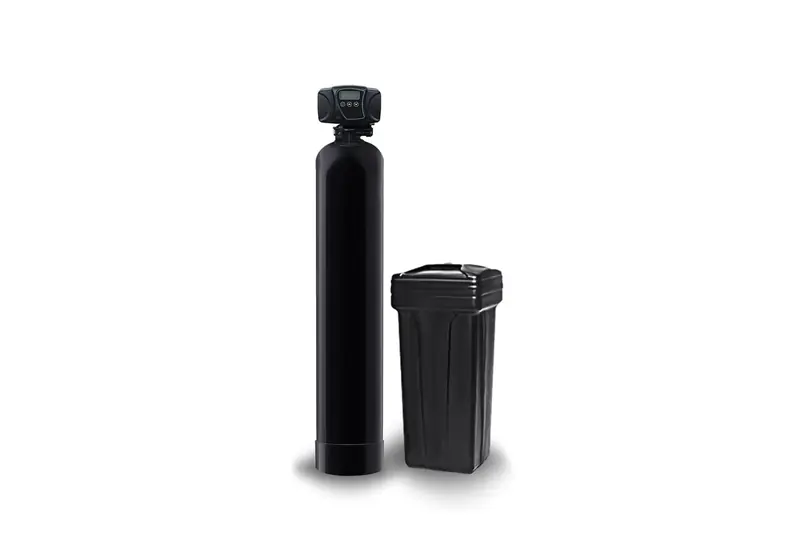 FixWater Softener Troubleshooting, Step by Step
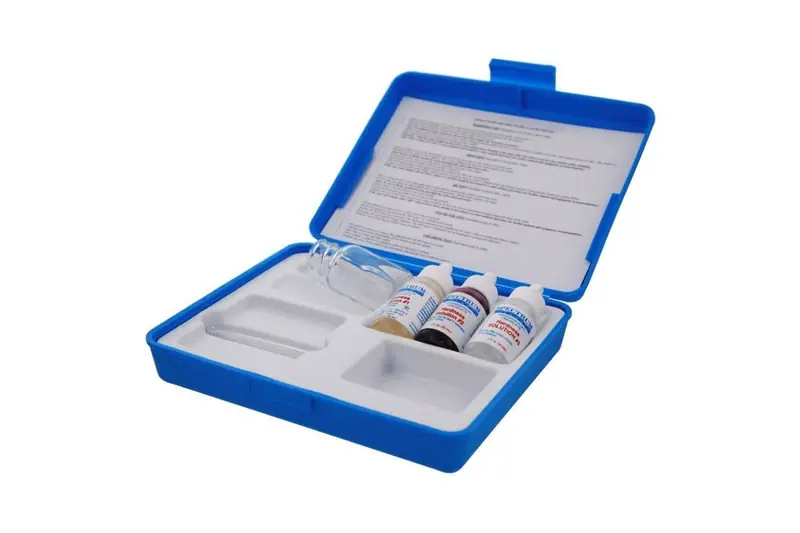 FixIs My Water Softener Working?
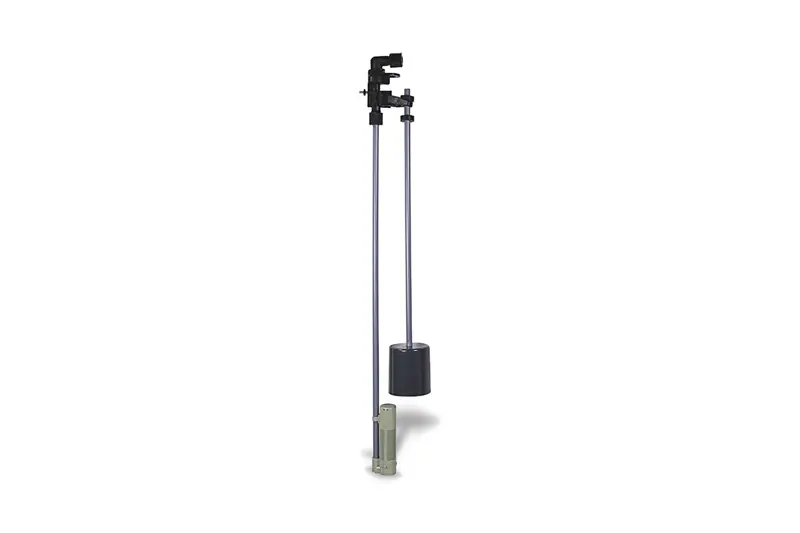 FixWhy Your Water Softener Isn't Using Salt
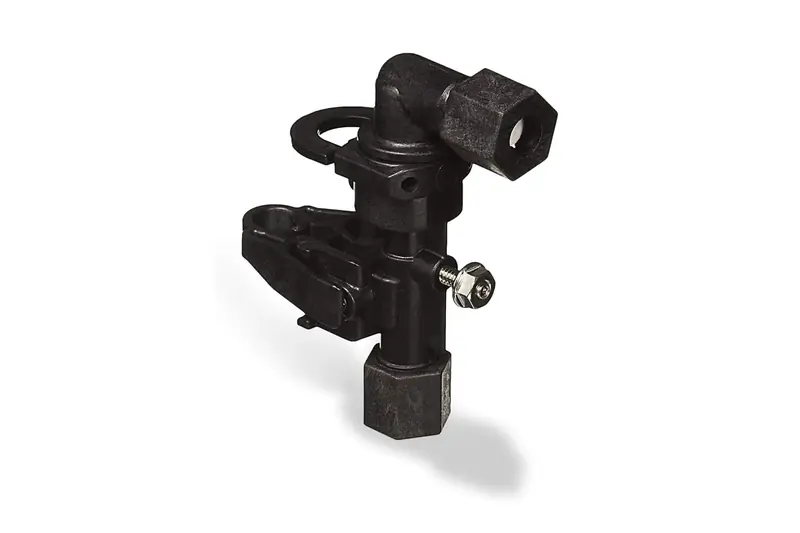 FixWater Softener Brine Tank Full of Water
 FixWater Softener Using Too Much Salt
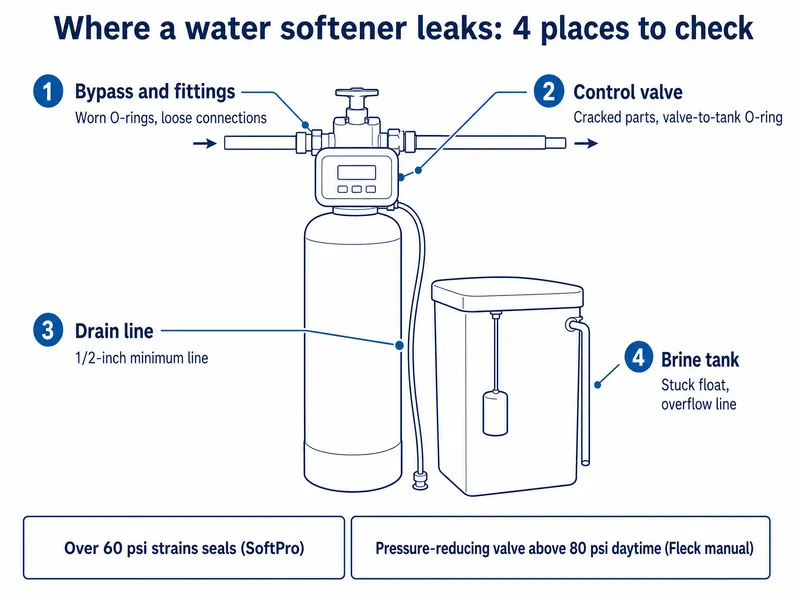 FixFixing a Leaking Water Softener
 FixWater Softener Resin Beads in Water
 FixWater Softener and Low Water Pressure
 FixFixing a Water Softener Smell
 FixHow to Reset a Water Softener
Which water softener settings matter most?
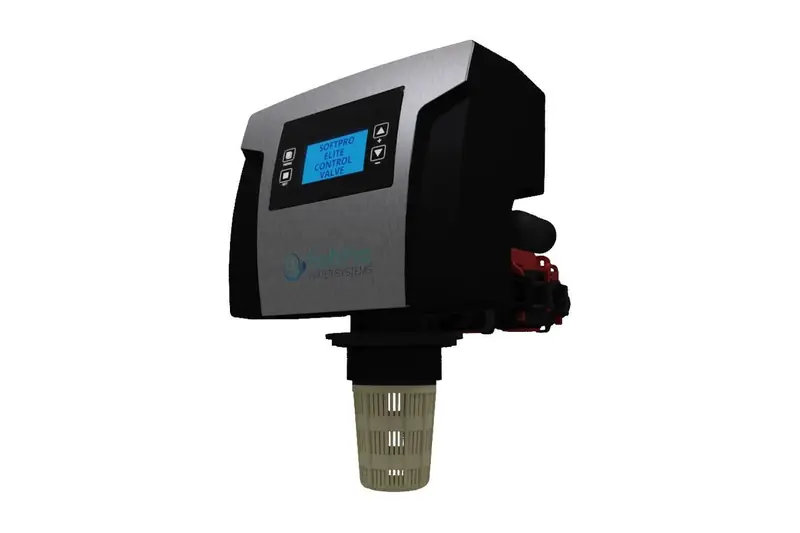
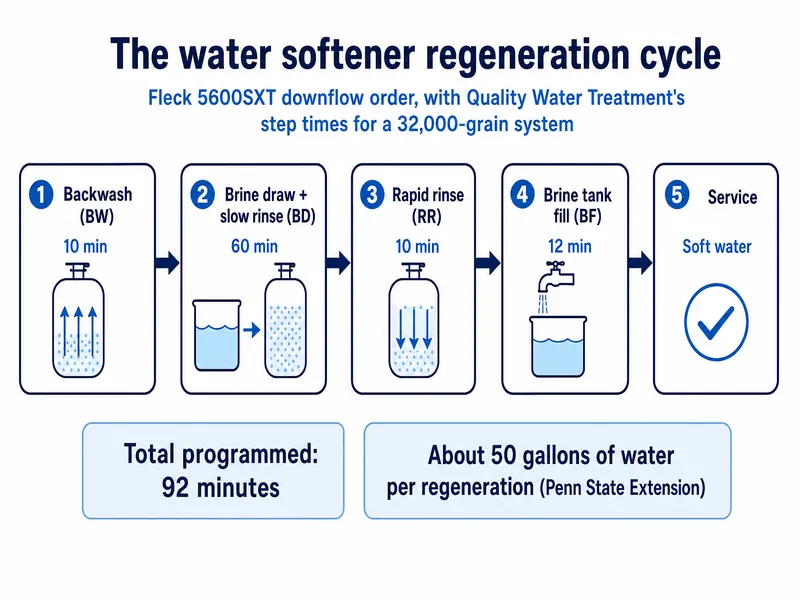
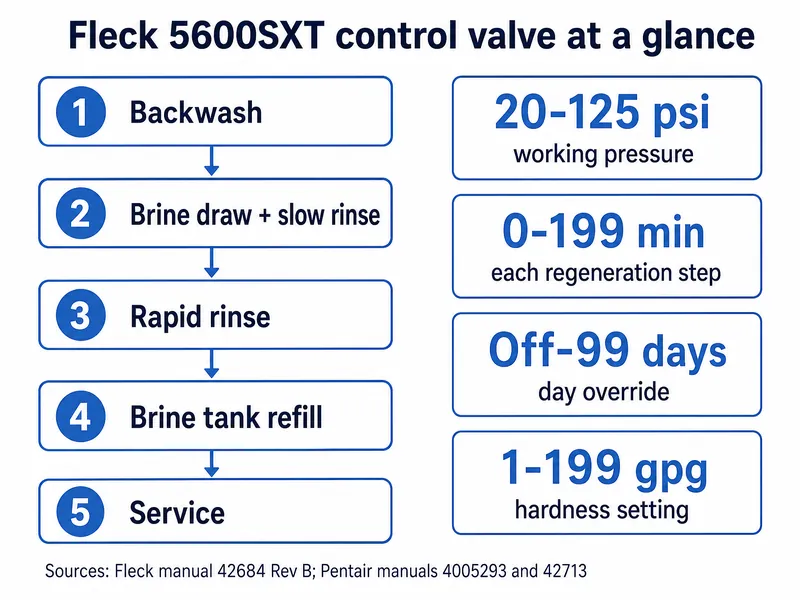
Hardness, capacity and reserve decide how often the valve regenerates, and Penn State Extension's worked example (4 people × 75 gallons × 10 gpg = 3,000 grains a day) shows a 20,000-grain unit lasting about 6 to 7 days. Pentair's manual accepts hardness from 1 to 199 gpg. The WQA's softener booklet asks installers to set softeners to remove 4,000 grains per pound of salt and to avoid time clocks.
How do you test water hardness for a softener?
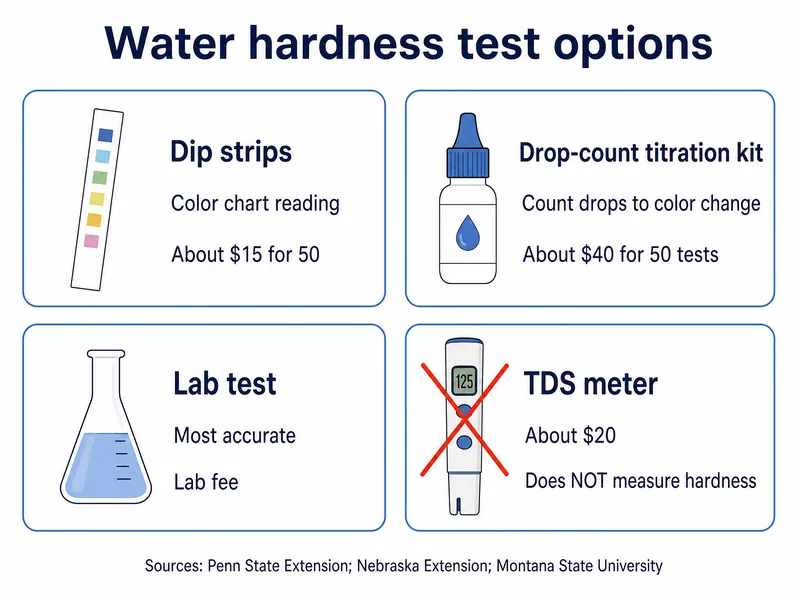
Use a hardness test kit, dip strips or a lab test, which Nebraska Extension says give a good estimate; it rates 7 to 10.5 gpg as hard and anything above as very hard. City customers can read hardness on the annual water quality report, which the EPA says suppliers must send by July 1. A TDS meter cannot judge a softener, because Montana State Extension notes softening swaps minerals rather than removing dissolved solids. Start with how to test water hardness.

How we put this page together
This hub reuses only figures already verified for the 37 guides: the Pentair and Fleck 5600SXT manuals, EPA's May 2026 WaterSense softener guide plus its CCR page, the WQA's softener booklet, four extension services (Penn State, Nebraska, Montana State, Virginia), and SoftPro and Quality Water Treatment pages for their own systems, all re-checked in October 2026. Figures lacking a primary source were dropped, store cost and salt-use estimates left out, and no lab or field testing was done.
Common questions
Which guide helps when the water turns hard overnight?
The troubleshooting guide. An open bypass and an empty salt tank, the Fleck manual's first two causes, take a minute to rule out before the injector or valve.
Do these guides cover salt-free conditioners?
Mostly not. The EPA WaterSense guide says salt-free conditioners condition hardness ions rather than remove them, so salt, brine and regeneration steps do not apply.
Are the guides for city water or well water?
Both. Well homes get extra steps, such as installing after the pressure tank, while city homes can read hardness from the yearly water quality report.
Why do two guides sometimes give different numbers?
Because the sources differ. For bleach, Pentair lists 1.2 fl oz per cubic foot of resin, whereas the two owned stores' guides call for roughly 2 fl oz. The guides show both and defer to your manual.
Which guide follows the Fleck 5600SXT screen by screen?
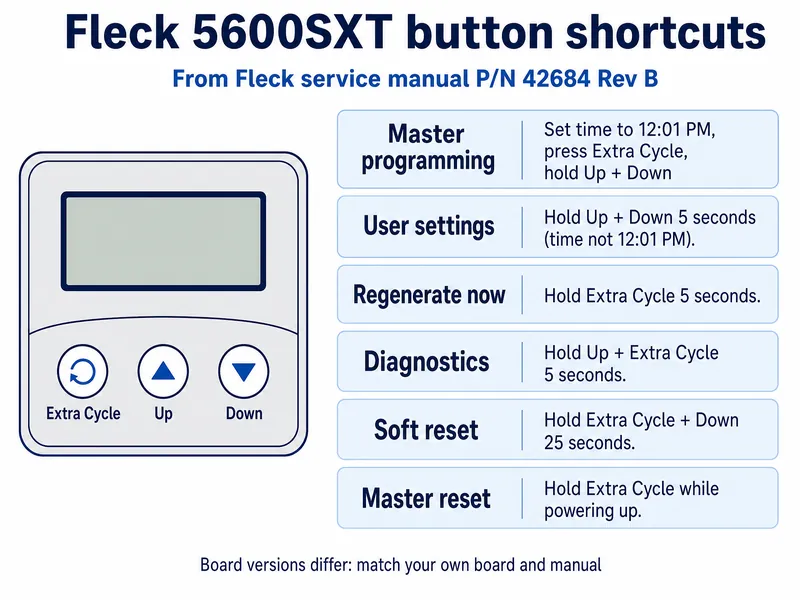
The Fleck 5600SXT programming guide follows its manual through each programming screen, and several fix guides quote the manual's troubleshooting table.
Is a plumber needed for the install guides?
Not always. The Fleck manual says all plumbing should follow local codes, and local rules often cover the drain, the air gap and the cut into the main line, so hire a licensed plumber for those parts if in doubt.